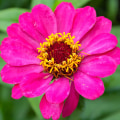
Gardening in Pinal County, Arizona can be a challenging but rewarding experience. With its hot and dry climate, it's important to choose the right plants that can thrive in this environment. But beyond just surviving, it's also important to consider the impact of our gardening choices on the local ecosystem, particularly in relation to water bodies. One crucial aspect of this is attracting pollinators. Gardening in Pinal County, Arizona can be a challenging but rewarding experience. With its hot and dry climate, it's important to choose the right plants that can thrive in this environment. But beyond just surviving, it's also important to consider the impact of our gardening choices on the local ecosystem, particularly in relation to water bodies. One crucial aspect of this is attracting pollinators.
The Importance of Pollinators
Pollinators are essential for the reproduction of many plants, including fruits, vegetables, and flowers.They transfer pollen from one flower to another, allowing for fertilization and the production of seeds. This process is crucial for maintaining biodiversity and ensuring a healthy ecosystem. In Pinal County, there are several types of pollinators that play a vital role in the local environment. These include bees, butterflies, moths, hummingbirds, and even bats. However, due to factors such as habitat loss and pesticide use, pollinator populations have been declining in recent years.
As gardeners, we have the power to help reverse this trend by creating pollinator-friendly gardens.
Choosing the Right Plants
When it comes to attracting pollinators, not all plants are created equal. Some plants have evolved to specifically attract certain types of pollinators through their color, scent, or shape. By choosing these plants for our gardens, we can create a welcoming environment for pollinators.Gardening in Pinal County
means dealing with hot and dry conditions. Therefore, it's important to choose plants that are drought-tolerant and can thrive in this climate.Native plants are an excellent choice as they have adapted to the local environment and require less maintenance. They also provide food and shelter for local pollinators. Some great native plants for attracting pollinators in Pinal County include desert marigold, penstemon, desert lavender, and brittlebush. These plants have bright, showy flowers that are irresistible to bees and butterflies. They also have a long blooming period, providing a continuous food source for pollinators. In addition to native plants, there are also many non-native plants that can attract pollinators.
However, it's important to choose non-invasive species that won't harm the local ecosystem. Some good options include lantana, salvia, and verbena.
Creating a Pollinator-Friendly Garden
Aside from choosing the right plants, there are other ways to make your garden more attractive to pollinators. One important factor is providing a variety of flowers that bloom at different times throughout the year. This ensures a continuous food source for pollinators and also adds visual interest to your garden.Grouping plants
together in clusters can also be beneficial for pollinators.This makes it easier for them to find and access the flowers they need. It's also important to avoid using pesticides in your garden as they can be harmful to pollinators. Instead, opt for natural pest control methods or choose plants that are naturally resistant to pests.
Water sources
are also essential for attracting pollinators. Bees and butterflies need water to survive, so consider adding a shallow dish or birdbath with rocks or pebbles for them to land on.The Benefits of Attracting Pollinators
Aside from helping the local ecosystem, there are many benefits to attracting pollinators to your garden.For one, they can increase the yield of your fruits and vegetables. Pollinators are responsible for pollinating many crops, including apples, almonds, and blueberries. By attracting them to your garden, you can ensure a bountiful harvest. Attracting pollinators can also add beauty and diversity to your garden. With their vibrant colors and graceful movements, pollinators can be a joy to watch as they go about their important work.
They also help to create a more balanced ecosystem by keeping pest populations in check.